Greater Lafayette Community Land Trust
Everyone deserves a place to call home.
The Greater Lafayette Community Land Trust exists to foster and perpetuate attainable housing in Tippecanoe County. As a nonprofit organization, our mission is to empower residents to remain in the community, afford life expenses, accumulate wealth over time, and feel supported and encouraged - knowing they’re not alone.

Serving the Greater Lafayette Community
The Greater Lafayette Community Land Trust is a nonprofit organization designed to provide attainable housing opportunities and long-lasting community assets to the Greater Lafayette community. When a household or individual purchases a home through our program, the Land Trust maintains ownership of the land, making the house more attainable.
Nationally, 87% of individuals and households who purchase homes through a Land Trust are first-time homeowners. Our goal is to provide homeownership opportunities to those who may not be able to purchase a home through traditional methods. Homeowners can put their income toward other expenses, build wealth over time, and feel supported by an organization committed to their success.
Community Land Trusts Explained
3-min video — Grounded Solutions Network
Find Your Next Home
The Greater Lafayette Community Land Trust is developing multiple properties throughout Tippecanoe County. Explore available properties below or request more information.
No properties currently available.
We are developing homes across Tippecanoe County over the next five years. Request more information and we’ll be in touch as opportunities open.
Request information

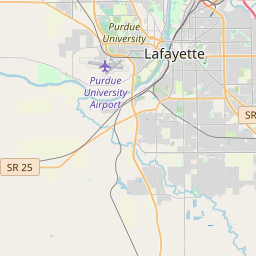

Attainable Housing for the Greater Lafayette Community
The Greater Lafayette Community Land Trust exists to serve residents of Tippecanoe County. As properties become available, each home will be listed on our properties page. Visit regularly to learn about developments and upcoming opportunities.
Who qualifies
To qualify to purchase a home through the Land Trust, applicants must currently reside in Tippecanoe County. To learn more about the application process and qualifications, contact us.
Shared Equity Housing programs are making an impact across the country.
These numbers come from a report published by Grounded Solutions Network, compiled from 2018 data from 58 organizations with more than 4,000 housing units across 20 states. The data spans three decades and demonstrates the affordability and sustainable wealth-building opportunities provided by shared equity housing programs.
Frequently Asked Questions
If you’d like to learn more about the Greater Lafayette Community Land Trust and what we do, explore frequently asked questions below. If you don’t see your question answered, contact us today.
How Does a Community Land Trust Work?
A Community Land Trust organization (CLT) provides attainable housing opportunities to a local community. The organization maintains ownership of the land, while the homeowner purchases the house built on the land. This makes the home purchase price more attainable and ensures the next homeowner can benefit from the shared equity housing opportunity as well.
The Land Trust is a nonprofit organization, run by a board of directors and committed to the interests of Tippecanoe County residents and to fostering strong and sustainable neighborhoods. To learn more about Community Land Trusts, visit the Grounded Solutions Network website or watch the video below.
How do I Qualify for the Greater Lafayette Community Land Trust?
The main qualification to purchase a home through the Land Trust is household income, based on household size. The Land Trust is designed to provide housing opportunities to households earning 60-80% of the area median income. Applicants must also be a current resident of Tippecanoe County.
The application process is very similar to a traditional home buying process. Homeowners must qualify for a mortgage, pass credit checks, and complete other steps required to purchase a home. However, because the Land Trust is an organization dedicated to attainable housing opportunities in the community, there is more assistance available than in a traditional home purchase.
If you’re not sure if you qualify for the Greater Lafayette Community Land Trust, inquire to start a conversation. The Land Trust will provide resources, tools, and education workshops to help you through the process.
How Does a Ground Lease Work?
When a homeowner purchases a home from the Community Land Trust, the land is still owned by the Land Trust organization. The homeowner leases the land from the organization through a long-term ground lease agreement. Buyers pay less for the home because they do not have to purchase the land.
How is House and Land Ownership Divided?
In a Community Land Trust, the homeowner purchases a home that sits on land owned by the Land Trust organization. The organization maintains ownership of the land, leasing it to the homeowner through a ground lease. When the homeowner sells, the organization ensures that the next buyer is given an attainable housing opportunity as well. This creates not only immediate opportunities, but a long-term tool for attainable housing in the Greater Lafayette region.
What is the Relationship Between Homeowner and Land Trust Organization?
The relationship between the homeowner and the Land Trust organization expands beyond a simple ownership agreement. The Greater Lafayette Community Land Trust exists to provide attainable housing opportunities, allow homeowners to build wealth over time, and make it possible to afford other expenses as a homeowner. Because of this greater mission, homeowners will feel supported and encouraged by the Land Trust, knowing there’s an organization behind them and helping them along the way. This is more than a real estate transaction - it’s a relationship to help you accomplish your housing goals.
Who is Responsible for Home and Property Maintenance? Can I Make Home Improvements?
When an individual or household owns a home through the Greater Lafayette Community Land Trust, the homeowner is responsible for house and property maintenance and upkeep - just as with a traditional home. The Land Trust organization will perform an annual exterior inspection, providing support and resources if the homeowner needs help with maintenance or large expenses.
Homeowners can make upgrades and changes to the house and property, providing an opportunity to realize appreciation from improvements and make the house feel more like home. If the homeowner desires to make additions or major changes, there must first be a conversation with the Land Trust organization.
Do I Have to Commit to Stay in the House for a Certain Amount of Time?
No, you do not have to stay in the house for any certain length of time. Because the CLT home is purchased using a mortgage, you have the ability to sell your home whenever you like. It is important to remember that the resale formula includes a shared-equity component, and the home must generally be sold to the CLT or another qualified buyer, depending on the terms of your ground lease.
Can I Use a Co-Signer on my Mortgage?
No, the Greater Lafayette Community Land Trust does not allow for purchasers to use a Co-Signer when purchasing a home in the CLT.
Do I Need a Real Estate Agent to Purchase a Land Trust Home?
No, a Real Estate Agent is not required when purchasing a home in the CLT but you are welcome to use one if you would like. The Greater Lafayette Community Land Trust staff will be able to guide you through most of the application and purchase process when purchasing a CLT home.
I Have More Questions. Who Should I Contact?
If you have questions about the Greater Lafayette Community Land Trust, please contact us through the contact form on this website. We would love to hear from you and start a conversation to begin your journey to home ownership. We believe that everyone deserves a place to call home, and we want you to know that you’re not alone as you make progress toward your home ownership goals.
Contact Us
Interested in learning more about the Greater Lafayette Community Land Trust, or have additional questions? Please submit the form below.
"*" indicates required fields